
"Seven years in a row"
200 article(s) found

Tasting Coffee-understanding unique Beauty
Tasting coffee is not only to feel with the taste of the tongue, but also to enjoy the aromatic alcohol in the mouth, in addition, it depends on the condition of the body and the surrounding atmosphere when drinking coffee. In a word, tasting coffee is a very delicate thing. When I drink coffee in a coffee shop, I sometimes drink almost half-cold coffee, like this, no matter how good the coffee beans are, they brew.

A brief introduction to the Market Price of Fine Coffee Bean varieties in Jinchu Valley, Kenya
Internationally, the increase in the number of Kenyan coffee is obvious, from 1969 to 1970, when 800000 bags were exported, to 1985 and 1986, when the output increased to 2 million bags. Now the yield is stable at 1.6 million bags, with an average yield of about 650kg per hectare. Even before coffee prices skyrocketed in recent years, the average price of coffee in Kenya had been rising. Price ratio from 1993 to 1994: 12

Rich and perfect taste of Kenya's Jinchu Valley Fine Coffee Bean Planting Location Climate Elevation
On an international scale, the growth in Kenyan coffee production has been remarkable, with exports rising from 800,000 bags in 1969- 1970 to 2 million bags in 1985 - 1986. Production is now stable at 1.6 million bags, averaging about 650 kg per hectare. The average price of coffee in Kenya has been rising since before the recent spike. 1993--1994 The annual price is 12.

A brief introduction to the flavor, taste and aroma characteristics of Kenyan Jinchu boutique coffee beans
Aromatic, full-bodied, with fruit flavor, taste rich and perfect. Kenyan coffee has a wonderful fruit flavor, tastes like BlackBerry and grapefruit, and is a favorite of many coffee gluttons. This coffee has an excellent medium purity, crisp and refreshing taste. It has a fresh flavor and is most suitable for drinking iced coffee in summer. When tasting this coffee, such as

[meet a characteristic shop around the corner] shop shit card to seal life moved
Professional baristas Exchange Please follow the coffee workshop (Wechat official account cafe_style) the low-key "Kopikita Espresso" is hidden in this "shit-laying card". The wooden window on the left is the coffee bar. Many guests who take out order coffee directly through the window and stand outside to drink. Report: photo by Peng Kejing

A brief introduction to the flavor, taste and aroma characteristics of Kenyan Jinchu boutique coffee beans
Large farms usually have independent treatment facilities. A large number of small farmers usually pick ripe coffee fruits by hand. Coffee picking is a labor-intensive job that requires the whole family to deploy and even hire workers during the harvest season. The fresh fruits of the picked coffee need to be promptly transported to the cooperative-owned coffee processing plant for pulping, and the means of transport may be ox carts.

A brief introduction to the flavor and aroma characteristics of Kenyan Jinchu boutique coffee beans with sweet green tea
Aromatic, full-bodied, with fruit flavor, taste rich and perfect. Kenyan coffee has a wonderful fruit flavor, tastes like BlackBerry and grapefruit, and is a favorite of many coffee gluttons. This coffee has an excellent medium purity, crisp and refreshing taste. It has a fresh flavor and is most suitable for drinking iced coffee in summer. When tasting this coffee, such as

A brief introduction to the market price of Kenyan Jinchu boutique coffee bean varieties with rich and perfect taste
Some buyers, especially Japanese businessmen, have expressed dissatisfaction with the Kenyan coffee industry system. Some businessmen say that the quality of coffee in the country has declined, and point out that buying directly from farmers may be a way to improve the quality. But in any case, Kenya's detailed rules and regulations and sound procedures are a model for all coffee producing countries to learn from.

Rich and perfect taste of Kenya Jinchu boutique coffee beans grinding degree baking degree treatment method simple
SL-28 and SL-34 help Kenyan coffee to form its own unique flavor characteristics and establish a perfect reputation in the coffee industry. Although the yield of SL28 was not as high as expected the copper leaf color and broad bean-shaped beans have great sweetness balance and complex flavor as well as significant citrus and black plum characteristics. While SL34 and SL28 are similar in flavor, except that they are more complex.

Brazilian boutique coffee estate introduction: Brazil Falls Manor
Professional coffee knowledge exchange more coffee bean information please follow Coffee Workshop (Wechat official account cafe_style) Falls Manor, a legendary Brazilian manor that has won 6 CoE wins. She won the first year in 1999, which is an important year in the history of boutique coffee. The internationally renowned national CoE coffee competition was launched in Brazil in 1999, followed by Falls Manor.

Green tea sweet Kenya Kam Chu Valley fine coffee beans cultivation geographical location climate altitude profile
The usual choice of light roasting, but in order to retain the original very rich fruit flavor in the raw beans, we will enter the bean temperature to 210℃, temperature point to maintain at 125℃, into the pot after observing the temperature point after the small fire steam roasting, in 4 minutes and 30 seconds to observe the coffee beans white evenly, and then urge the fire to 5 minutes and 30 seconds to complete dehydration, in 8 minutes to reach 175℃ when the heat is reduced, so that coffee

Brief introduction of planting Market Price of Fine Coffee Bean varieties in Jinchu Valley of Kenya with Sweet Cherry
Large farms usually have independent treatment facilities. A large number of small farmers usually pick ripe coffee fruits by hand. Coffee picking is a labor-intensive job that requires the whole family to deploy and even hire workers during the harvest season. The fresh fruits of the picked coffee need to be promptly transported to the cooperative-owned coffee processing plant for pulping, and the means of transport may be ox carts.

Introduction of Fine Coffee beans in Coffee Flavor and taste producing area of Jinchu Valley, Kenya
1. Coffee contains certain nutrients. Nicotinic acid in coffee contains vitamin B, which is higher in roasted coffee beans. And there are free fatty acids, caffeine, tannic acid and so on. two。 Coffee is good for the skin. Coffee can promote metabolic function, activate digestive organs, and has a great effect on constipation. Taking a bath with coffee powder is a kind of thermotherapy, which has the effect of losing weight. 3. There is coffee.

The delicious origin and brief history of Kenyan coffee what are the benefits of drinking Kenyan coffee
For more information on coffee beans, please follow the coffee workshop (Wechat official account cafe_style) Kenya Coffee Pinyin: ken ya ka fei Catalog 1 basic introduction 2 Coffee flavor 3 delicious origin 4 brief history 5 delicious appreciation 6 benefits Kenyan coffee is very unique, there is almost no similar coffee. The characteristics of Kenyan coffee

A brief introduction to the origin, development, history and culture of Kenya Jinchu boutique coffee beans with rich and perfect taste.
Some buyers, especially Japanese businessmen, have expressed dissatisfaction with the Kenyan coffee industry system. Some businessmen say that the quality of coffee in the country has declined, and point out that buying directly from farmers may be a way to improve the quality. But in any case, Kenya's detailed rules and regulations and sound procedures are a model for all coffee producing countries to learn from.
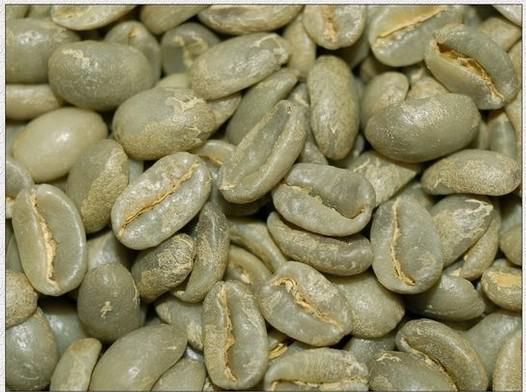
Boutique coffee beans: invincible Panamanian rosy summer coffee Geisha
Esmeralda Coffee has a brilliant experience: Panama's highest grade coffee ranks first for four consecutive years in 2004, 2005, 2006 and 2007! The American Fine Coffee Association (SCAA) ranked No. 1 in the World Coffee Cup Test in 2005, 2006 and 2007. Tropical Rain Forest Conservation Group Coffee quality Cup ranking 2004, 2006, 2007

Panamanian Alida Manor 2018 Universe 2019 BOP has won the championship of traditional washing for two consecutive years.
Professional coffee knowledge exchange more coffee bean information please follow the coffee workshop (Wechat official account cafe_style) Panama Alida Panama Elida (Natural) Arida Manor in Panama more than half of the area is in the reservation of the Panamanian national park, she is a rare ultra-high altitude manor in Central America, growing coffee from 1700 meters to nearly 2000 meters to rich,

A brief introduction to the processing method of grinding degree and roasting degree of Kenya Jinchu Valley fine coffee beans
The usual choice of light roasting, but in order to retain the original very rich fruit flavor in the raw beans, we will enter the bean temperature to 210℃, temperature point to maintain at 125℃, into the pot after observing the temperature point after the small fire steam roasting, in 4 minutes and 30 seconds to observe the coffee beans white evenly, and then urge the fire to 5 minutes and 30 seconds to complete dehydration, in 8 minutes to reach 175℃ when the heat is reduced, so that coffee

A brief introduction to the description of the flavor and aroma characteristics of Kenya Jinchu boutique coffee beans with cherry sweetness
Kenya AA coffee beans are adjacent to Ethiopia, the origin of Arabica coffee trees in the north of Kenya, but it was not until the beginning of the 20th century that they began to cultivate coffee. In the 19th century, missionaries introduced Arabica trees from the leaves, but did not plant them in large quantities. It was not until 1893 that coffee was cultivated on a large scale by the introduction of Brazil's ancient bourbon caffeine seeds. That is to say, at present

A brief introduction to the History and Culture of the Origin and Development of Fine Coffee beans in Jinchu Valley, Kenya
Kenya AA coffee beans are adjacent to Ethiopia, the origin of Arabica coffee trees in the north of Kenya, but it was not until the beginning of the 20th century that they began to cultivate coffee. In the 19th century, missionaries introduced Arabica trees from the leaves, but did not plant them in large quantities. It was not until 1893 that coffee was cultivated on a large scale by the introduction of Brazil's ancient bourbon caffeine seeds. That is to say, at present